A cross-section of my work: articles, decks, infographics and more.
A seven-slide patient explainer built from a published study on AI-based egg assessment
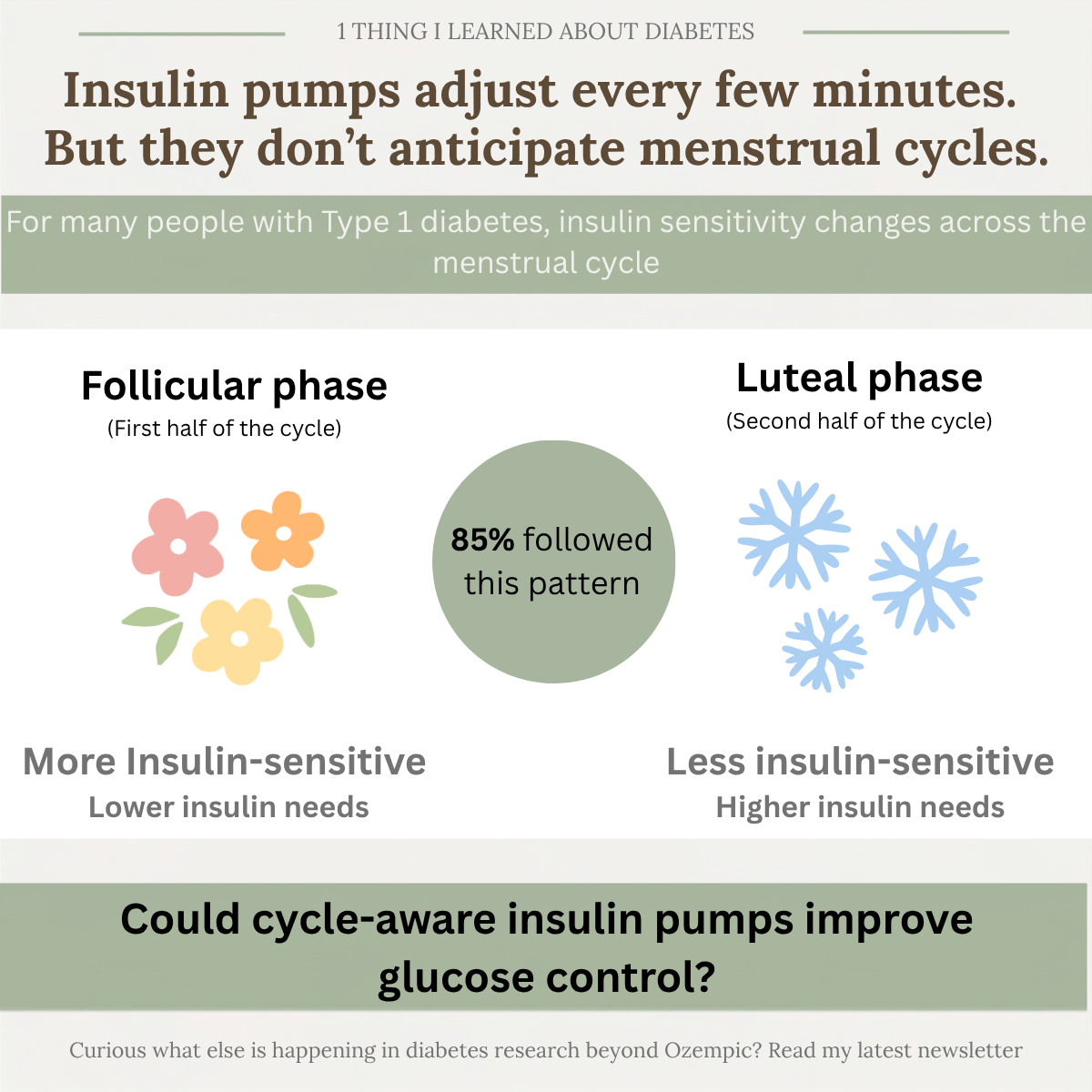
A short description of a 2026 study that looked at how insulin sensitivity changes according to the menstrual cycle.
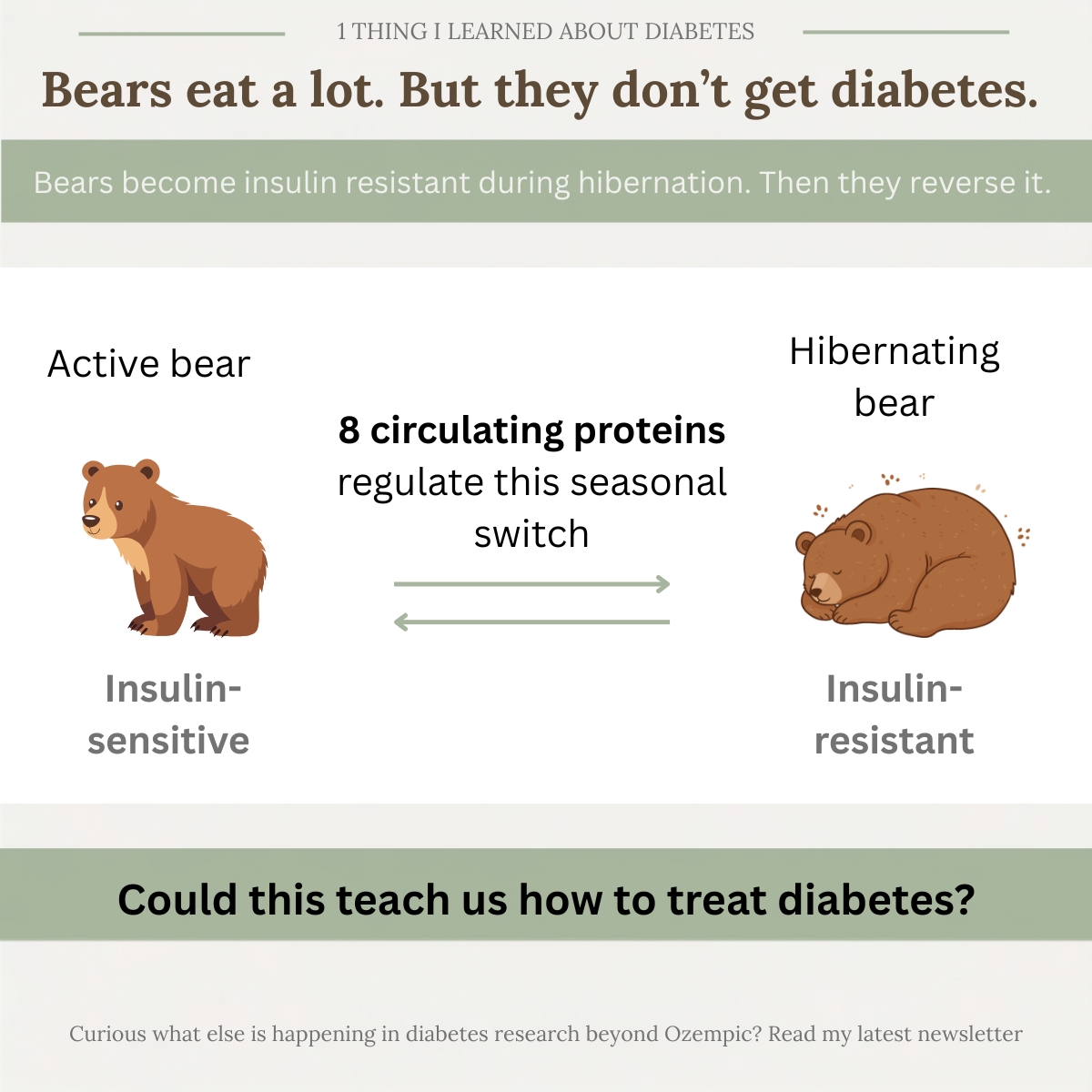
A short description of a 2022 study that looked at how proteins that control insulin resistance in bears can one day be used to treat diabetes.
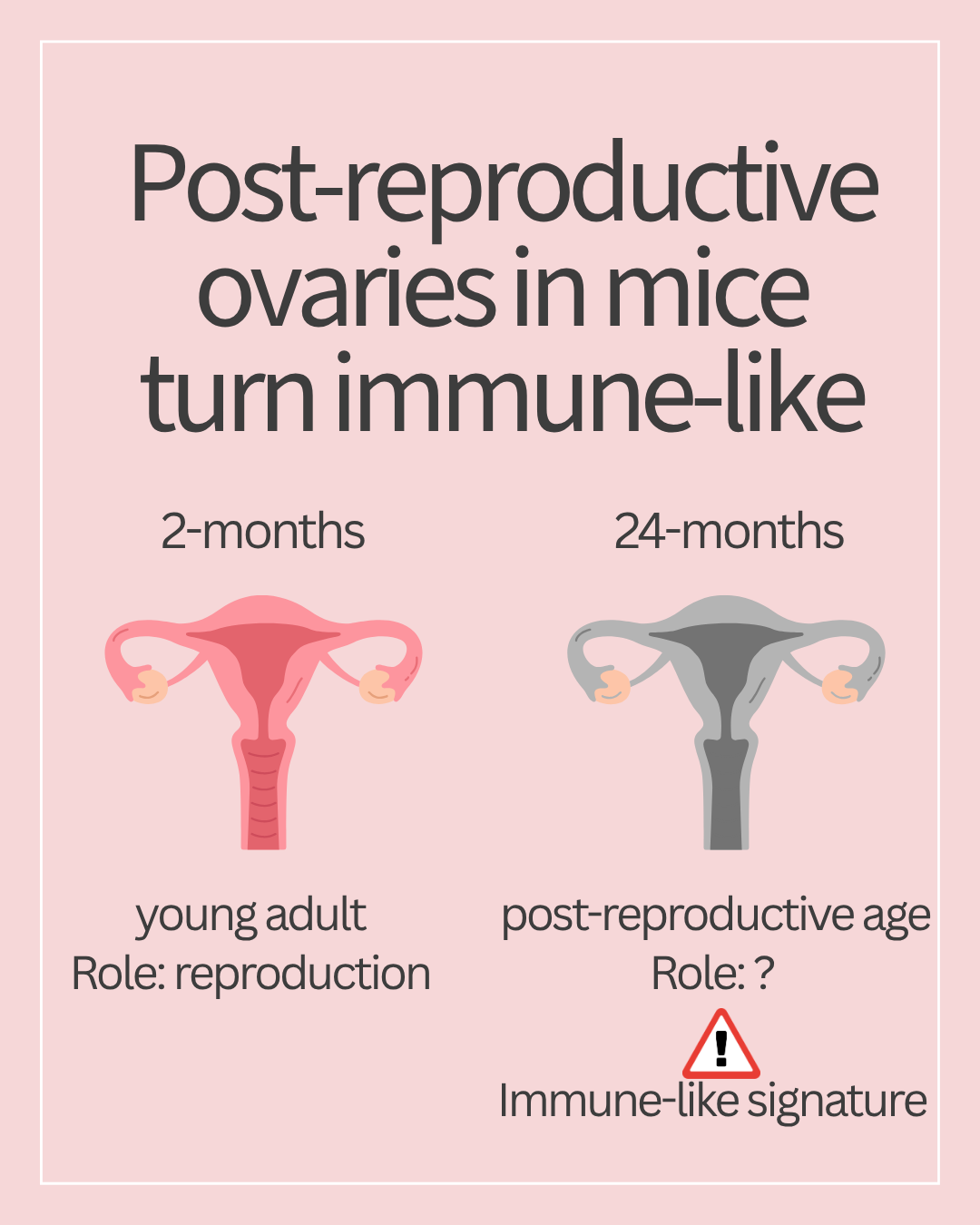
A new mouse study suggests that post-reproductive ovaries remain molecularly active, developing increasingly immune-like and inflammatory features. I break down what the study found, what remains unknown, and what it could mean for understanding ovarian aging beyond fertility.
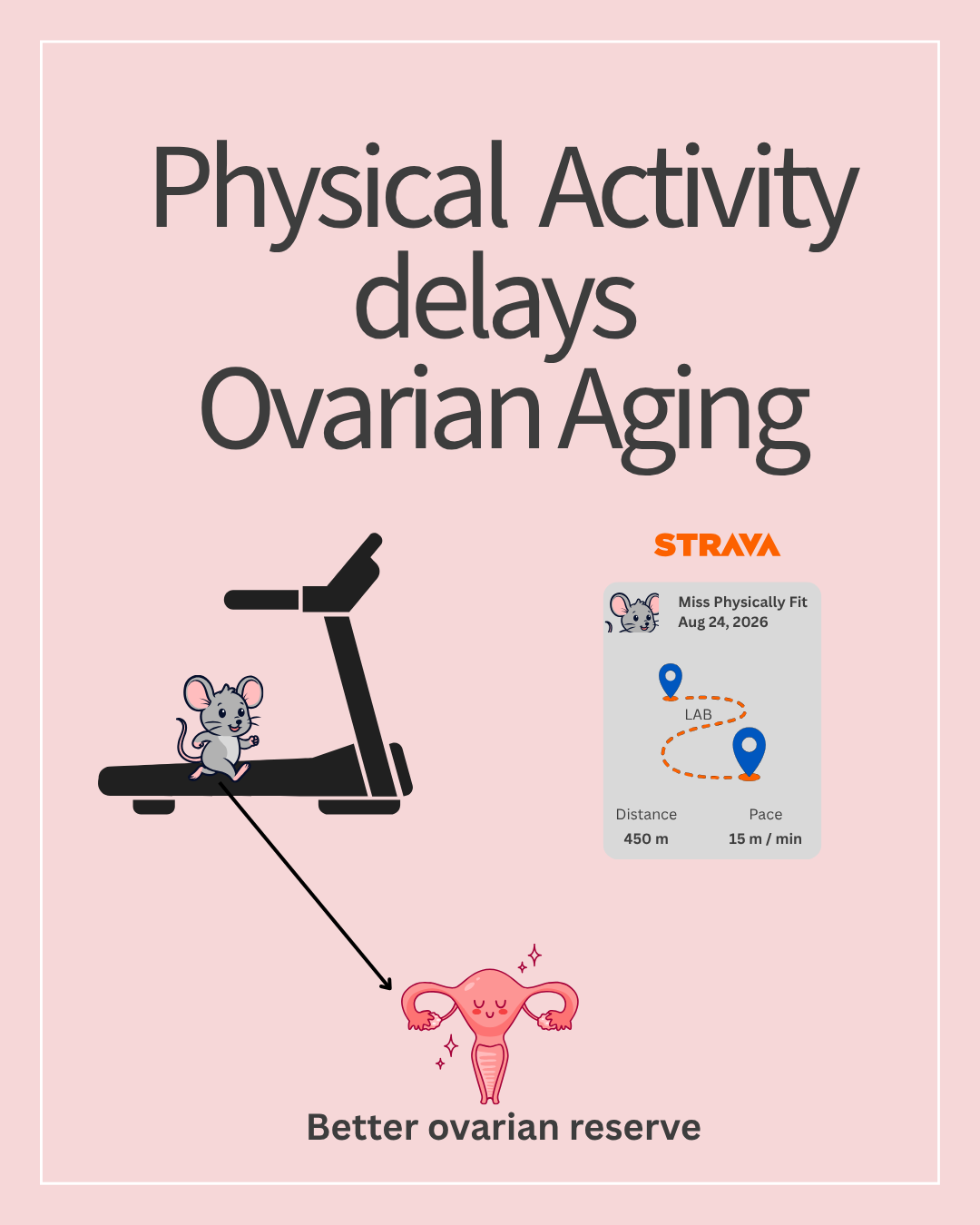
A new mouse study in Nature Aging explores whether physical activity could help slow ovarian aging. I break down the mouse data linking exercise, adiponectin, mTOR signaling, and ovarian reserve, and what the findings may and may not mean for human fertility.
A breakdown of a recent Nature Communications study examining women’s representation in pivotal clinical trials for FDA-approved drugs.
Social media carousel summarizing the latest on fentanyl vaccines
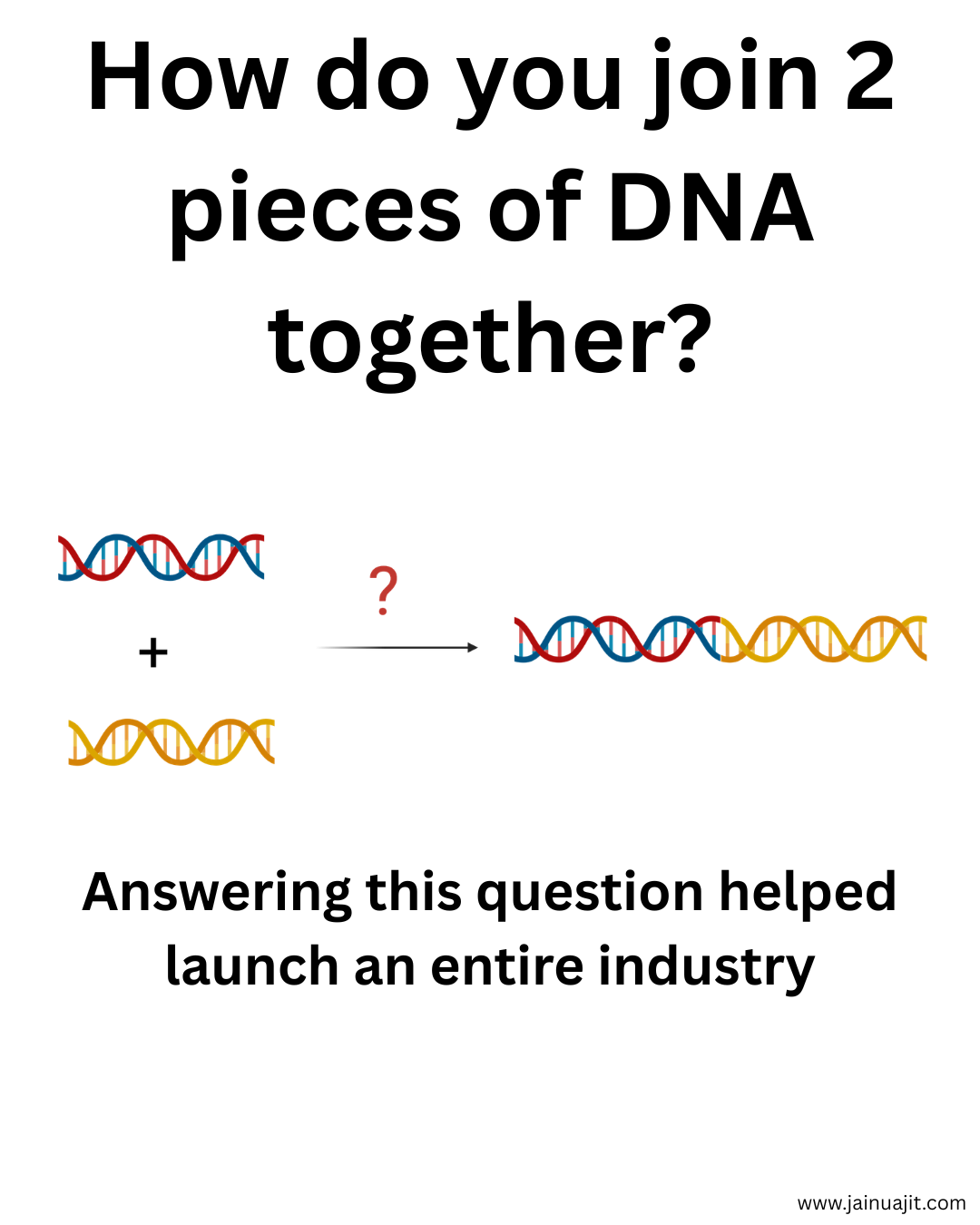
A short slide deck explaining how the scientist Janet Mertz paved the way for genetic engineering.
People are already using AI chatbots for symptoms and caregiving. But a model is only as good as the data underneath it. And in women's health, that evidence is thin and fragmented. A look at why trust and evidence have to advance together.
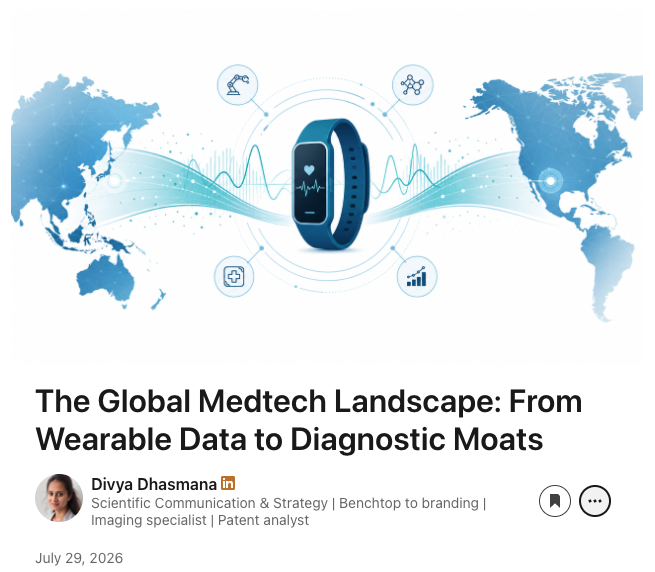
Health-tech research landscape (with Divya Dhasmana): I authored the technical trends section, surveying recent literature across rehabilitation, assistive technology, and sensing, and organizing it into the categories where research is actually concentrating. The brief: turn a fast-moving, scattered field into a clear map of where the science is heading, for a founder and investor audience.
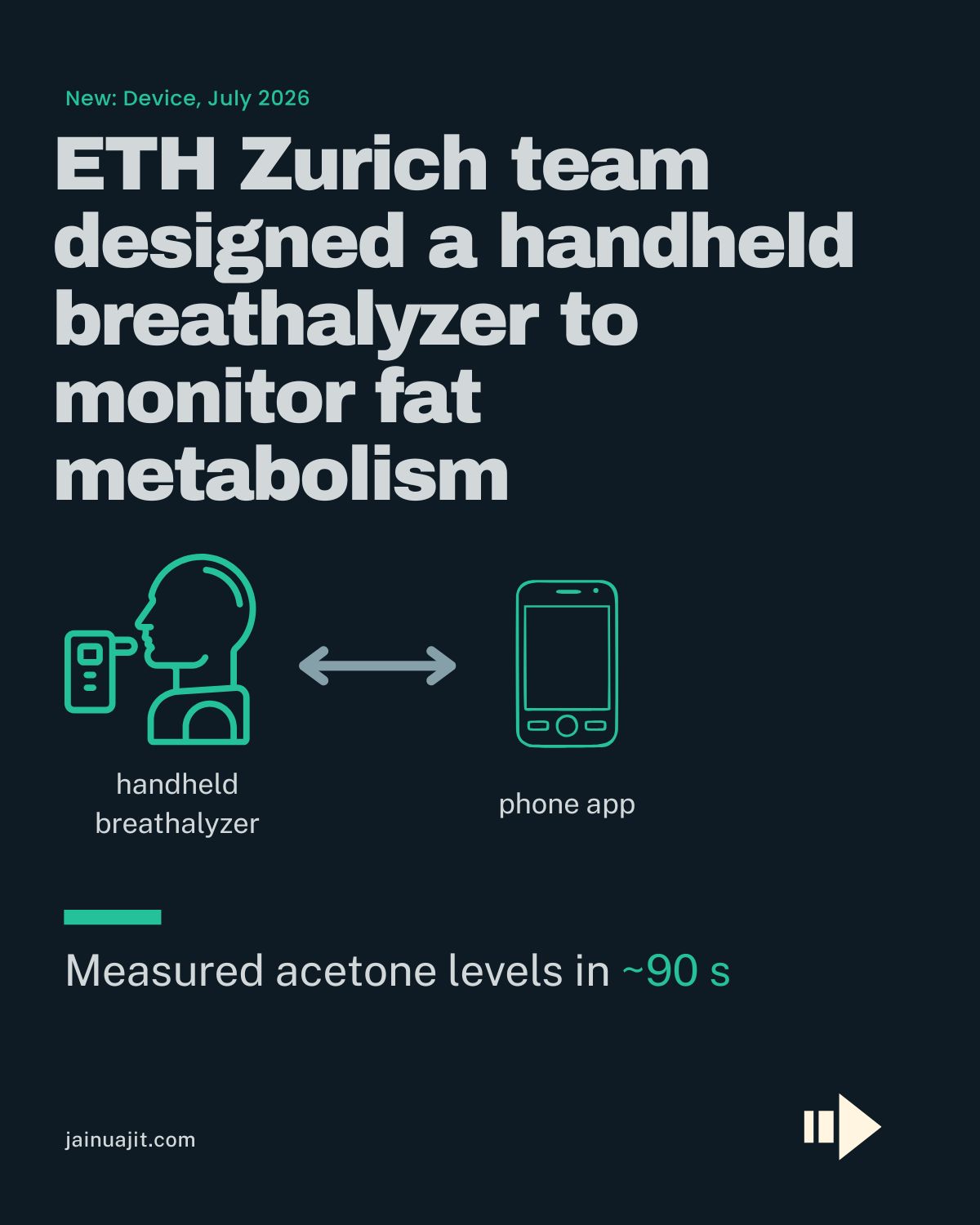
A LinkedIn carousel built from a 2026 Device paper on a handheld breath acetone analyser from ETH Zurich. The challenge was pitching one piece to two audiences 1) consumers who track workouts and 2) the biotech and medtech readers I write for. The carousel opens on a familiar gap (your watch and your scale don't measure fat metabolism), then works through ketone chemistry, the sensing architecture, the validation numbers, and the limitations. Every figure was checked against the paper or primary coverage. The deck states the authors' commercial interest and separates what the researchers claimed from what I inferred.
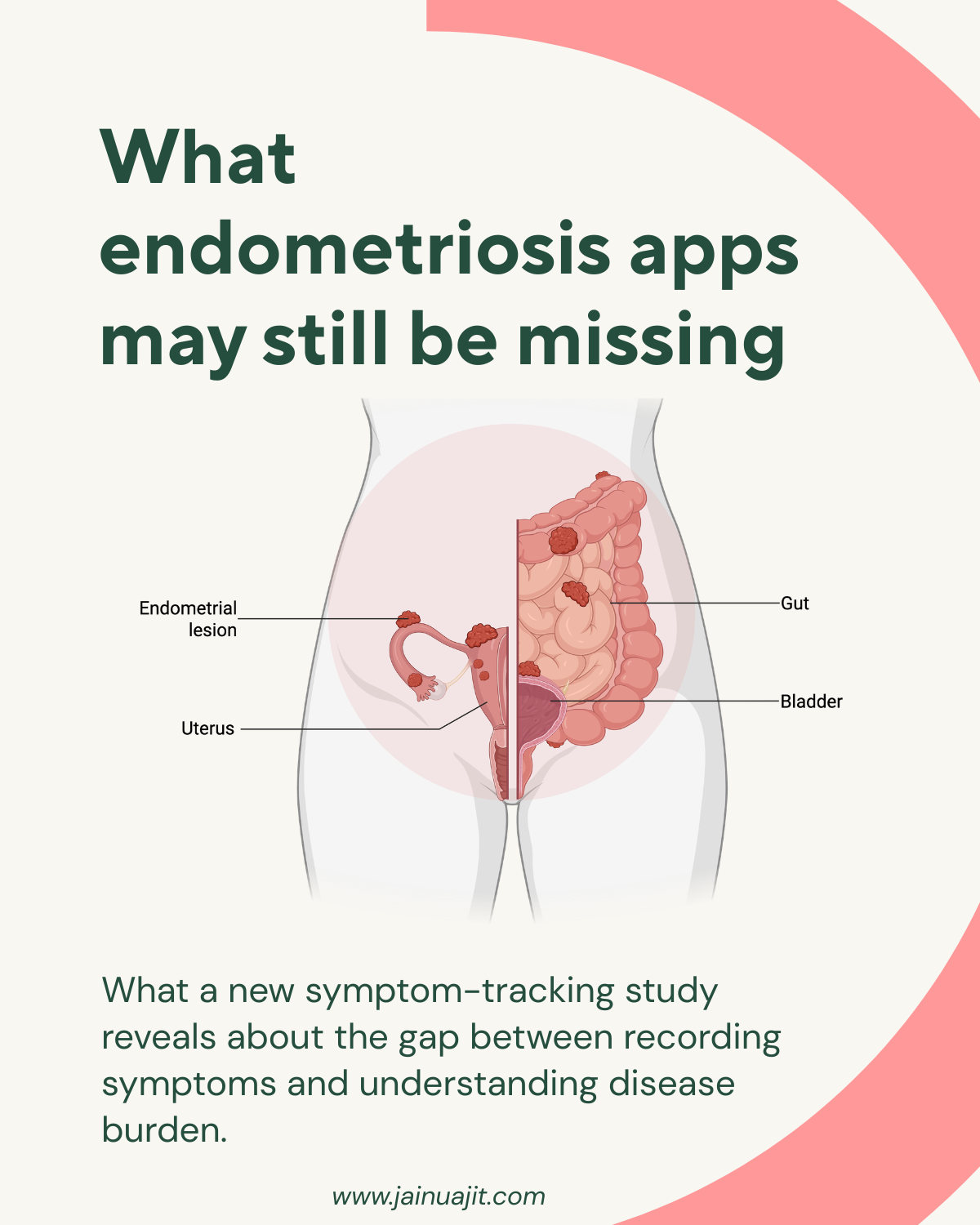
A medical writer's breakdown of a new npj Digital Medicine study: patients tracked a median of 24.5 symptoms each, and what that means for digital health.
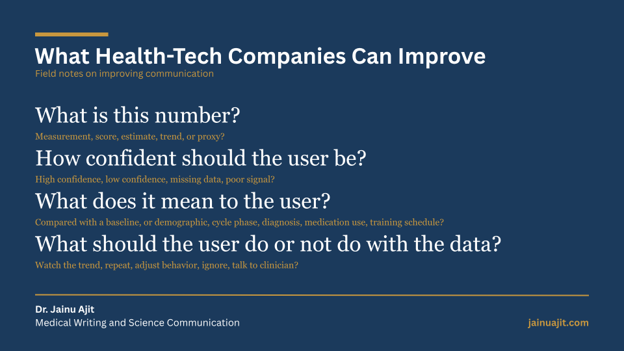
Your product gave users a number. Now what? Part 2 of The Communication Layer in Health Tech: a series on the communication problems every health-tech team runs into.
Wearables don't lack data. They lack context. A viral case report, a tech millionaire, and the question every health number should come with: what am I supposed to do with this?
An "electronic nose" that tells fresh chicken from spoiled and flags nut allergens. But the real story isn't the AI. It is the chemistry underneath. A note on why understanding sensors means understanding materials science.
A visual explainer on how wearables use light (photoplethysmography) to read heart rate and blood oxygen, and why skin tone, tattoos, and motion can skew those numbers. It walks through the science, the clinical stakes of pulse-oximeter bias in darker skin, and where the field is heading.
Why the next edge in wearable health tech may not be an even better sensor but just a better sentence: clearer, more honest ways to explain the numbers people already see.
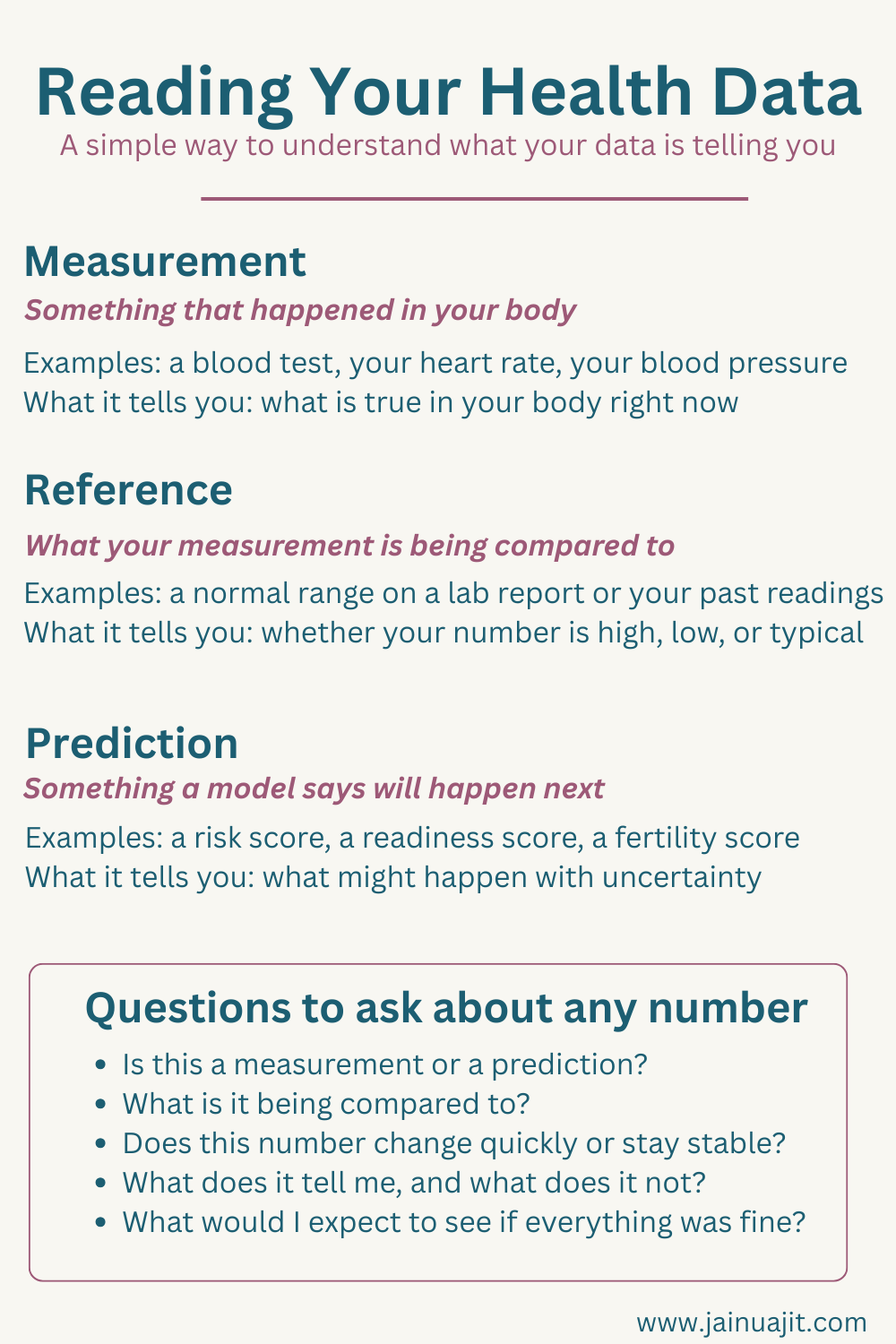
A plain-language guide to reading your own health data from wearables and at-home tests when no doctor is in the room.
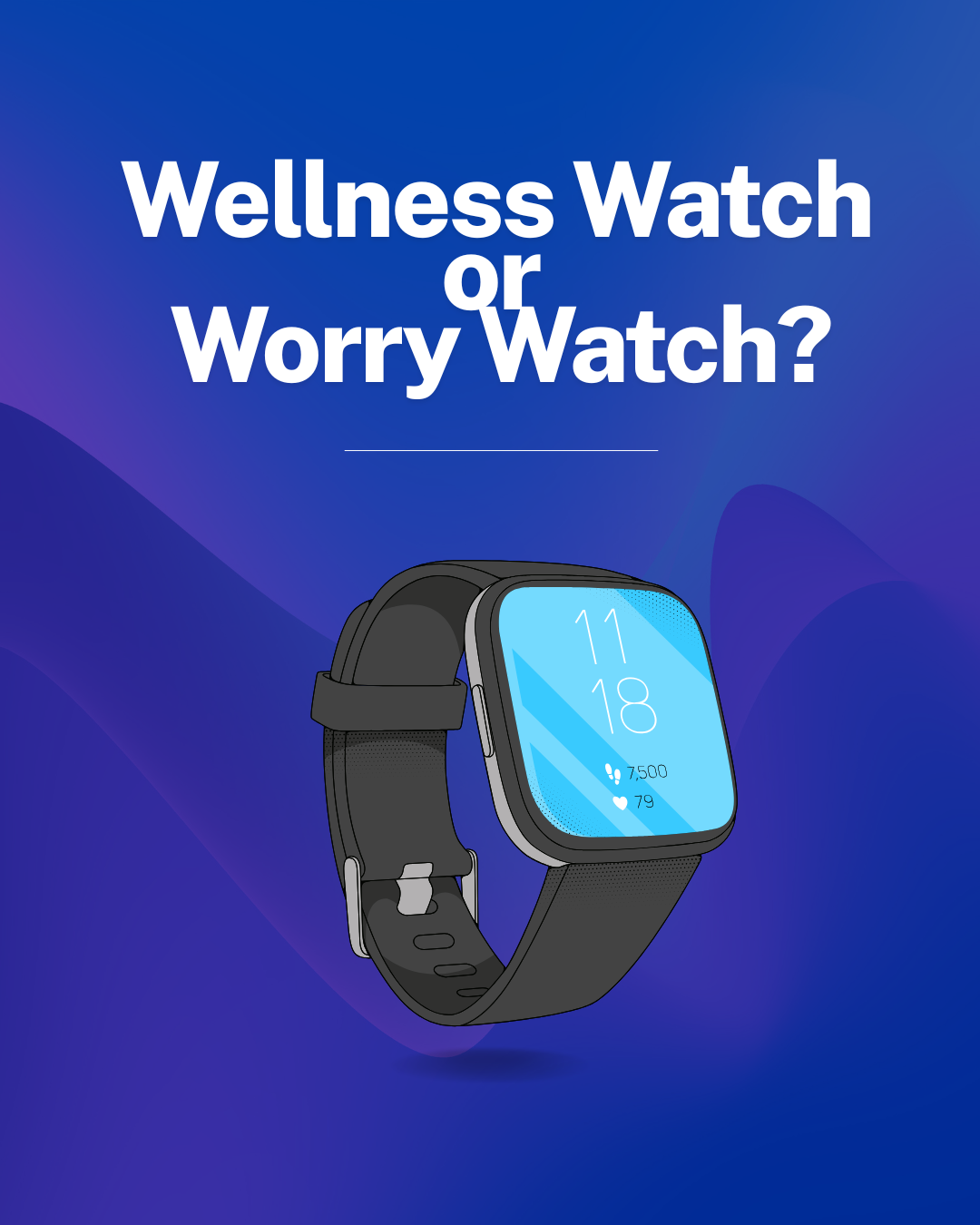
More tracking is supposed to mean more control. For a lot of people, it means more worry instead. What the "worry watch" research actually found.
A six-slide mystery walking general readers through apoptosis, efferocytosis, and what immune cells get up to inside a tumor.
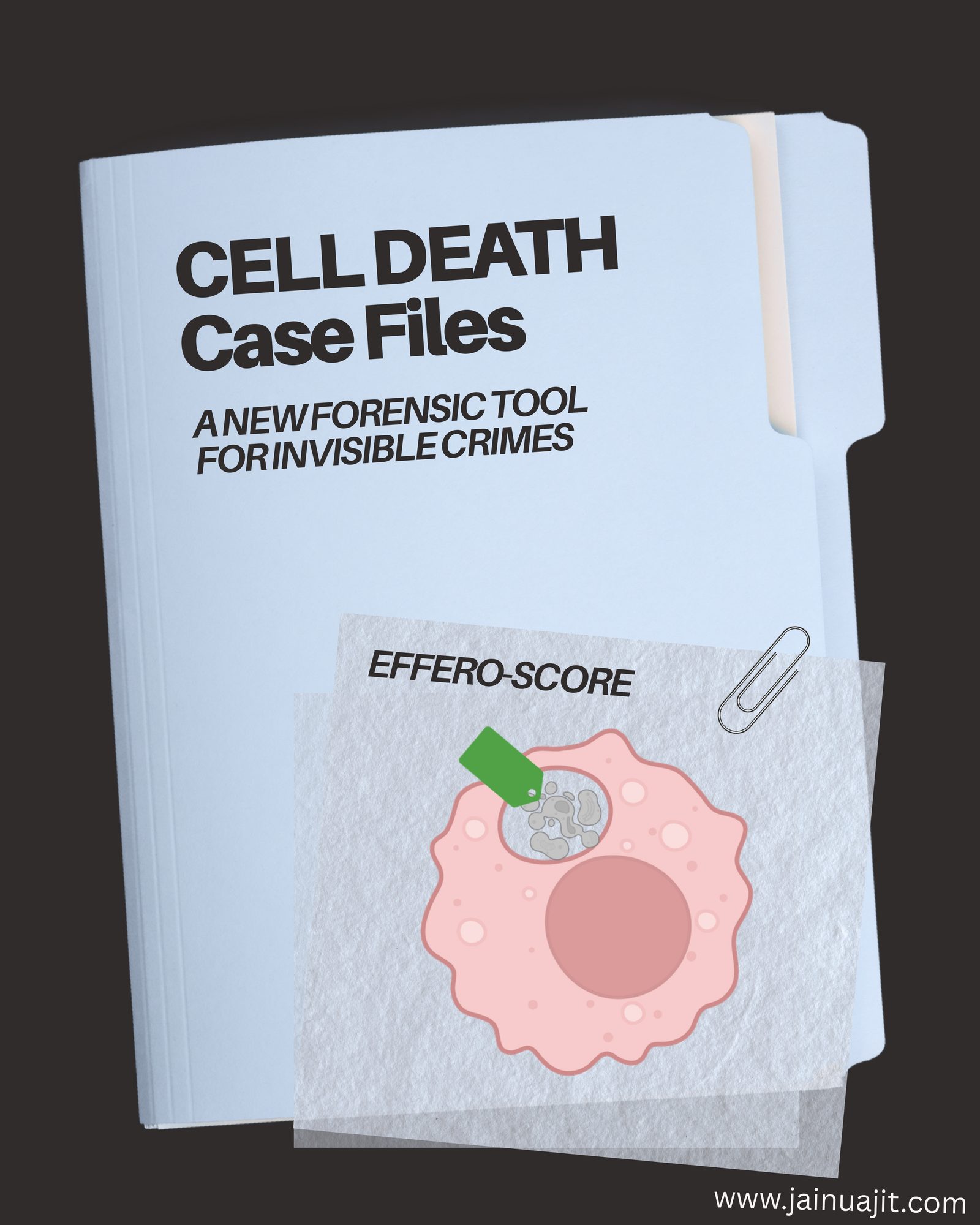
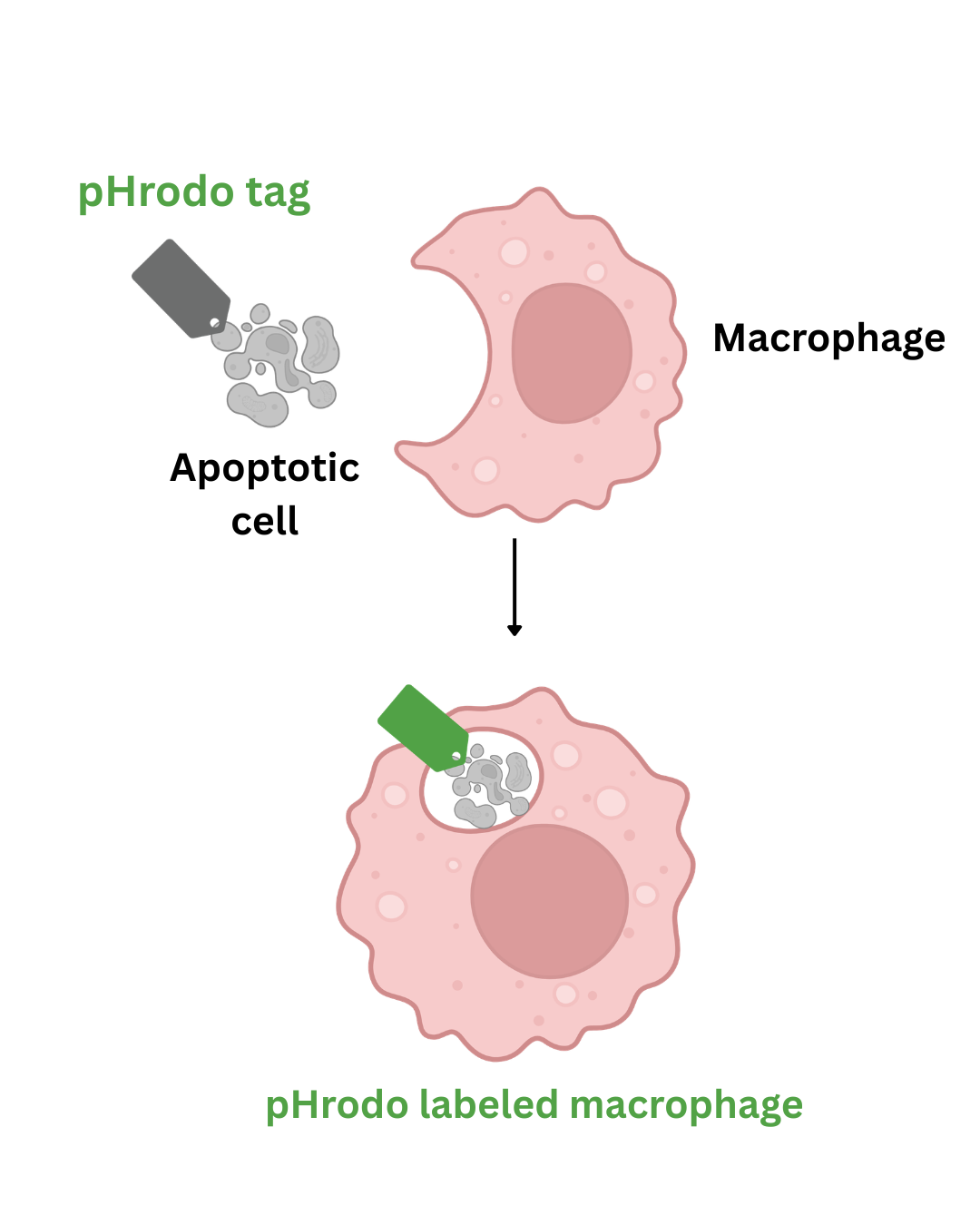
A new tool called effero-seq shows that macrophages which eat dying cells are reprogrammed to help tumors grow.
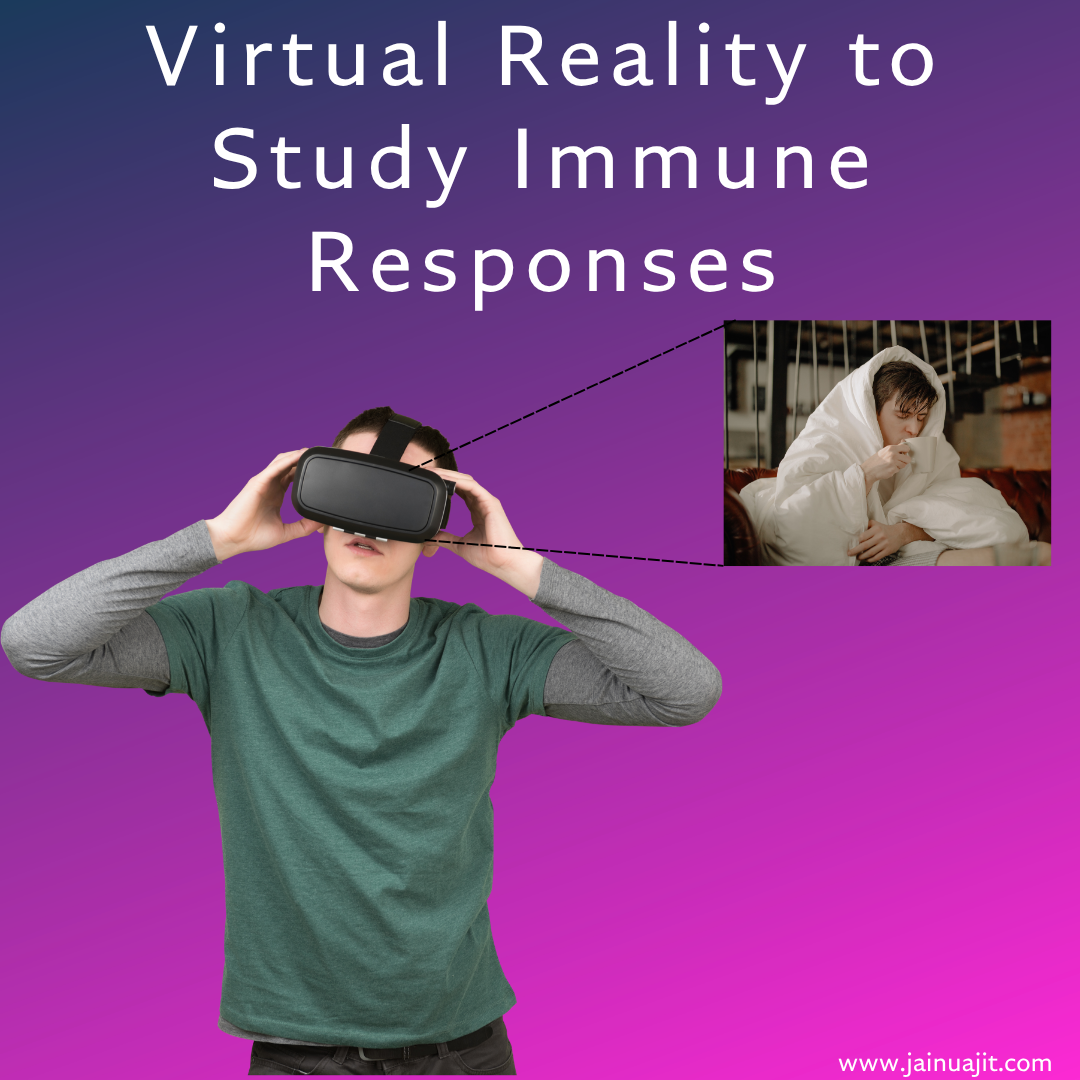
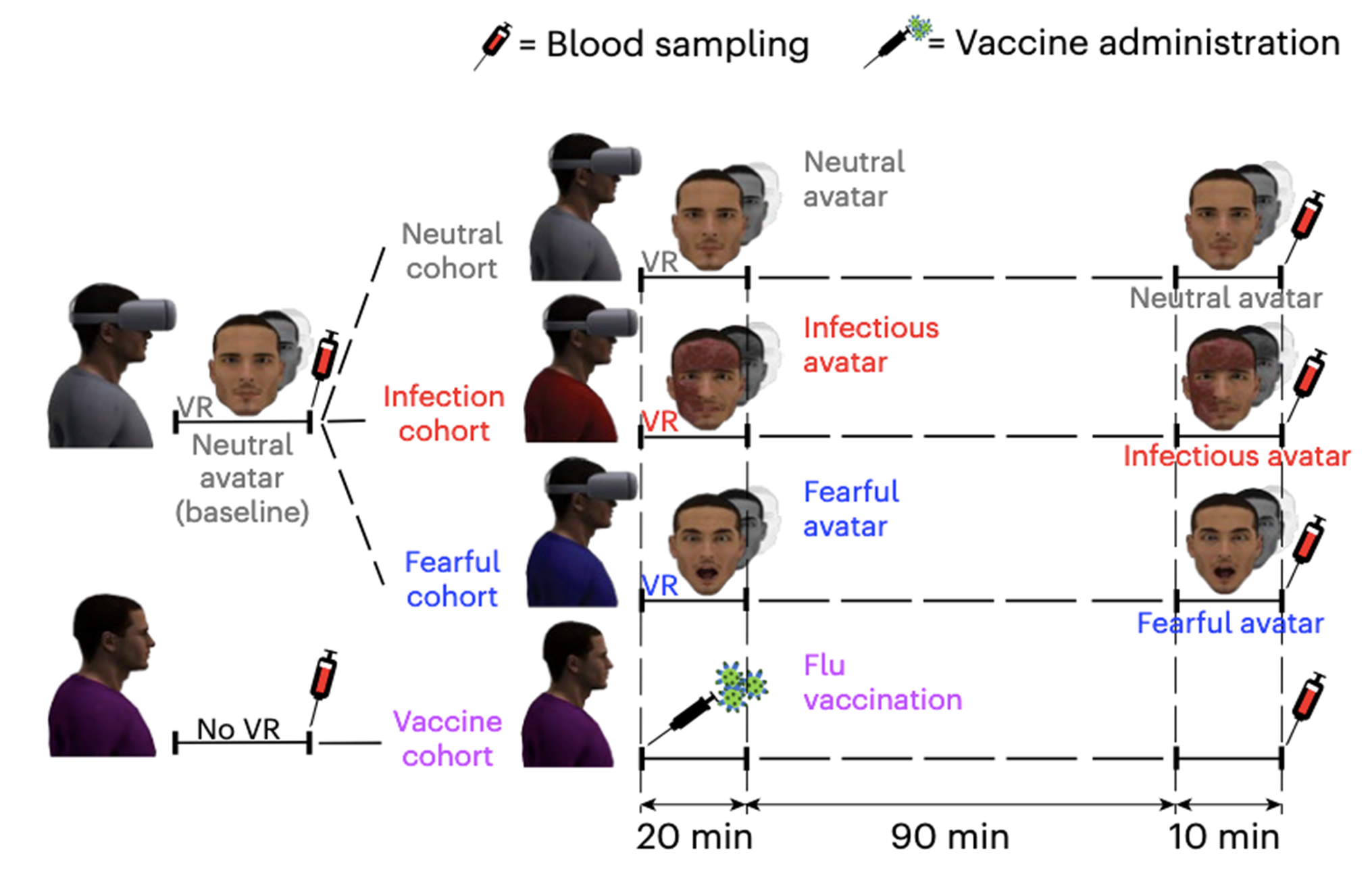
A short slide deck explaining how VR headsets were used to study immune responses.
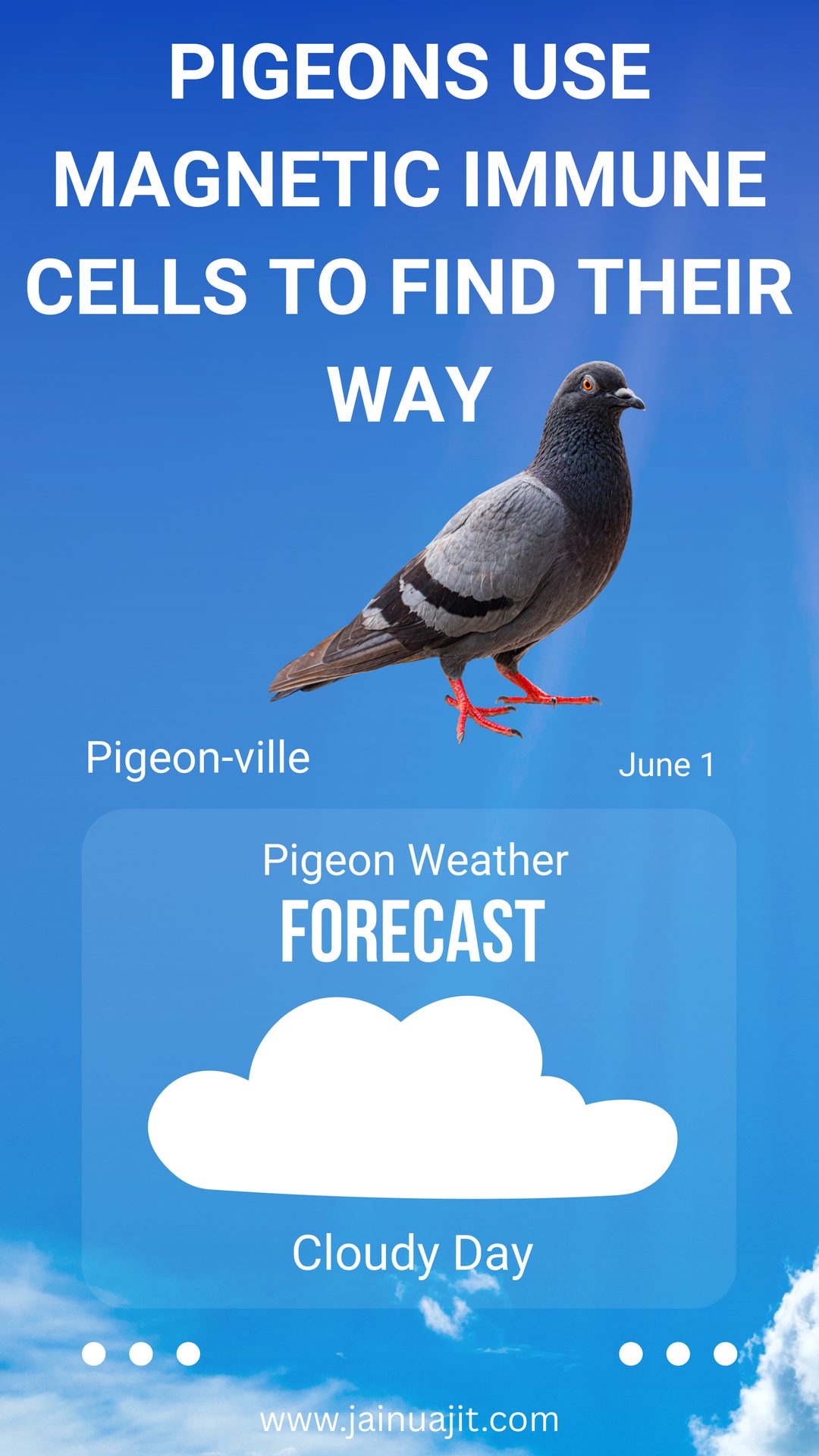
A new study finds that iron-loaded macrophages in the pigeon liver turn magnetic and help the birds navigate when the sun is hidden.
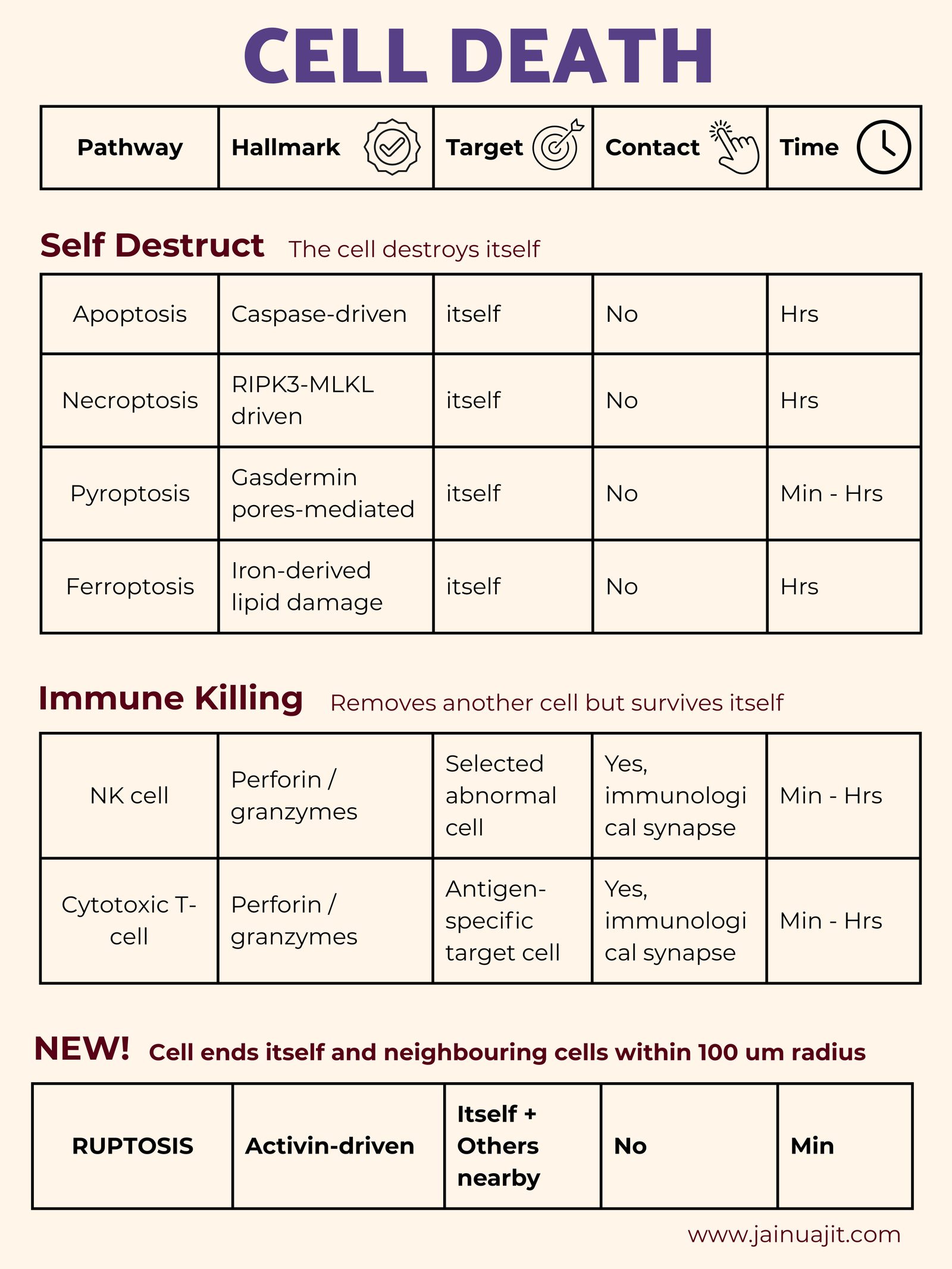
A newly described form of cell death in which a single gland cell detonates and destroys its neighbors.
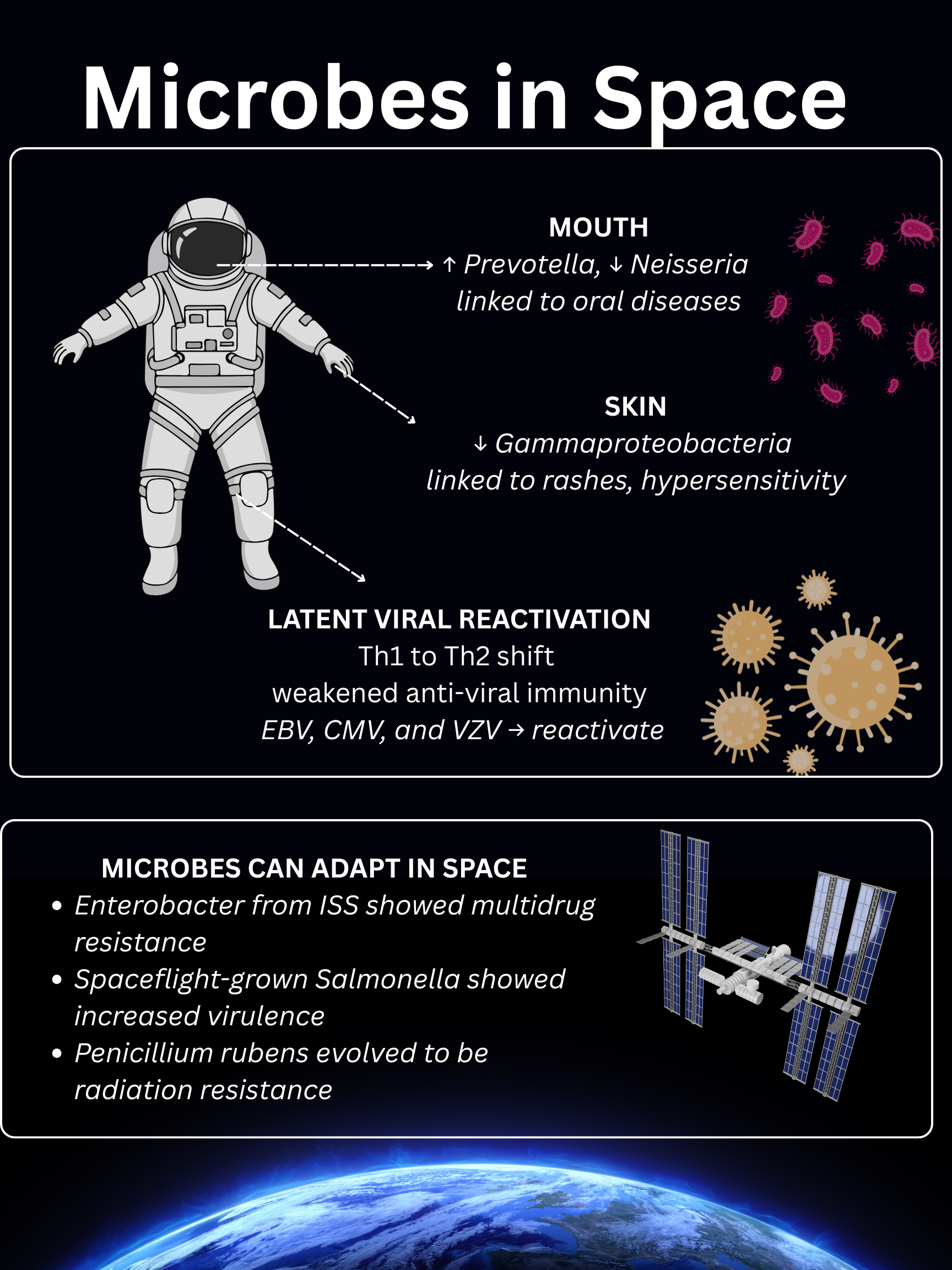
How spaceflight shifts the human microbiome and lets some microbes adapt, reactivate, and grow more dangerous aboard the ISS.
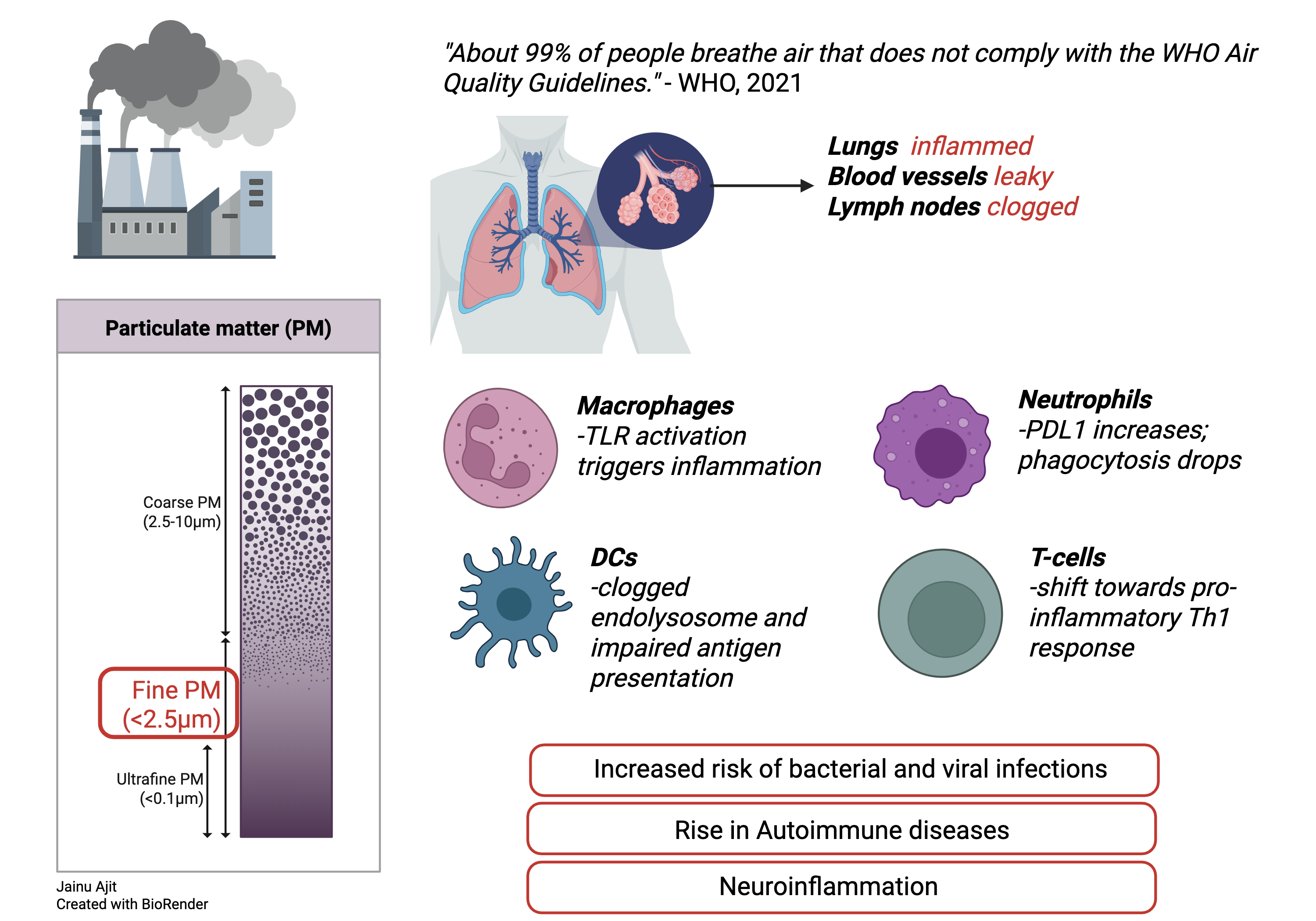
How fine particulate matter (PM2.5) reaches deep into the lungs, disrupts immune cells, and leaves the body more inflamed but less able to fight infection.
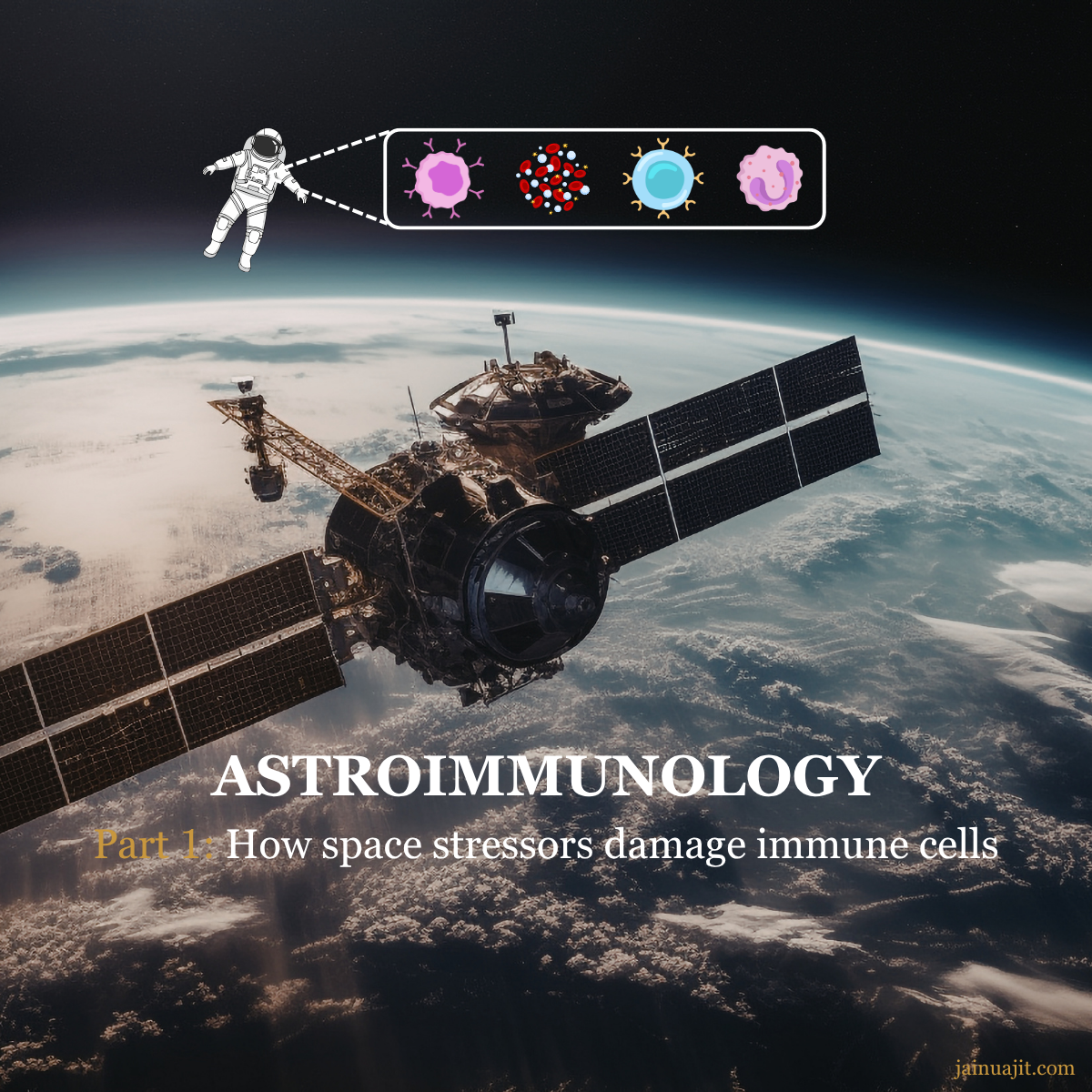
How microgravity, cosmic radiation, and mission stress damage the cytoskeleton and weaken immune cells in space.
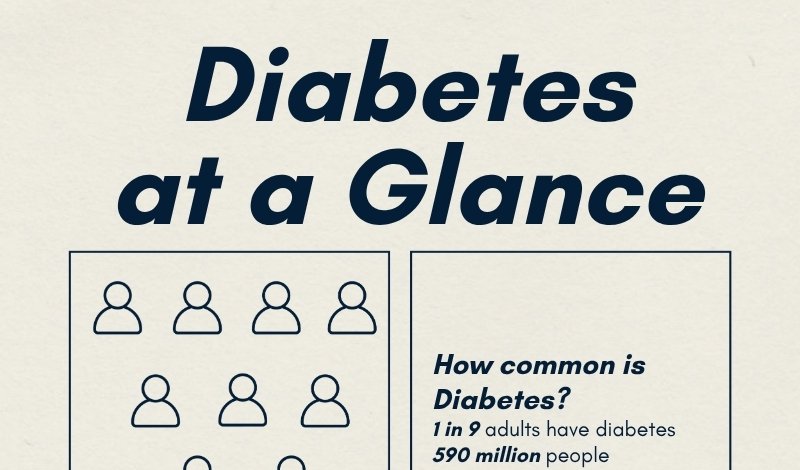
A one-page visual primer on diabetes: how common it is, Type 1 versus Type 2, common treatments, and the everyday numbers that matter.
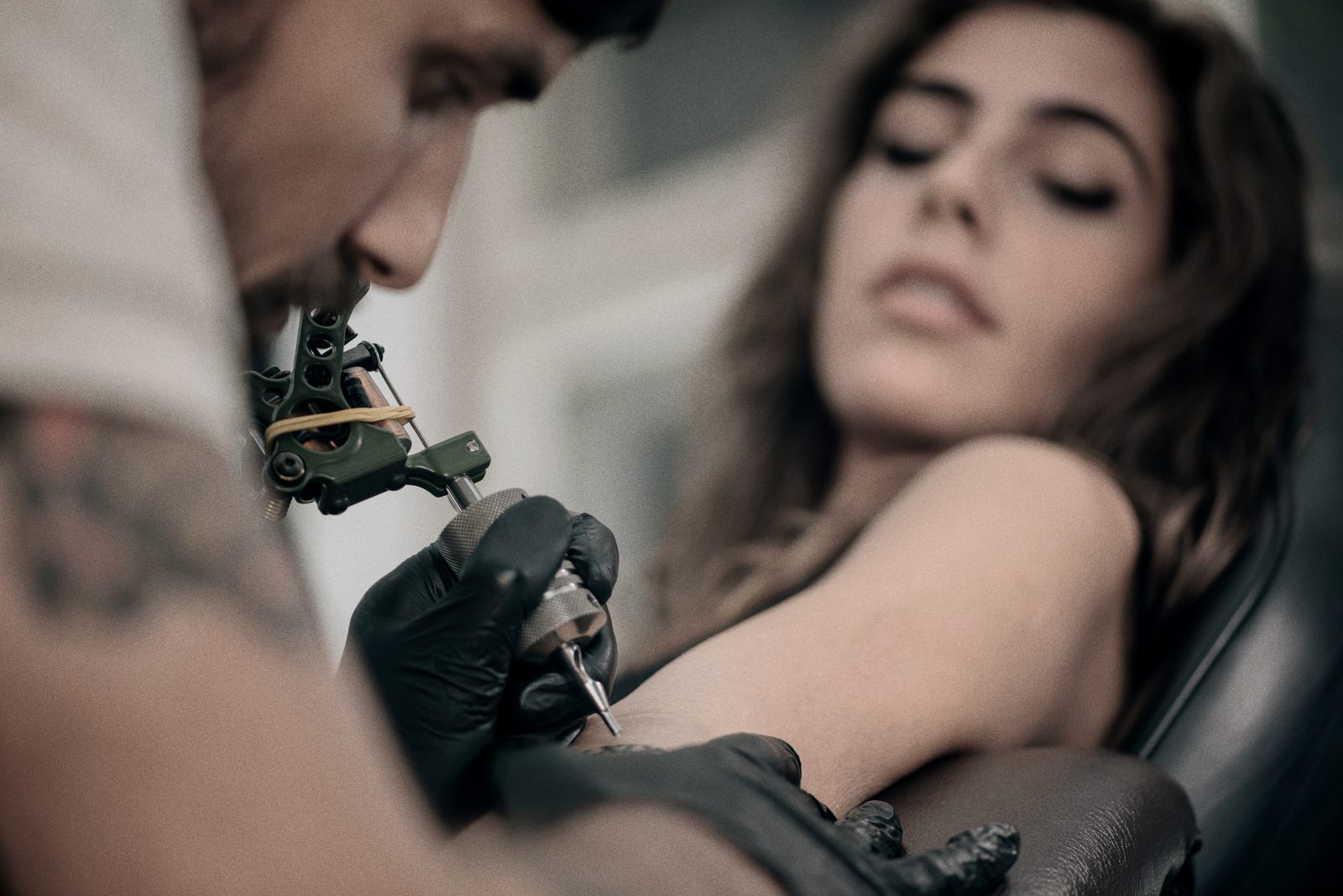
New research suggests tattoo ink can alter vaccine responses in mice, plus a look at how loosely tattoo inks are actually regulated.
A guide to generating life sciences content ideas with Melanie Deziel's Content Fuel Framework, co-written for GenoWrite.
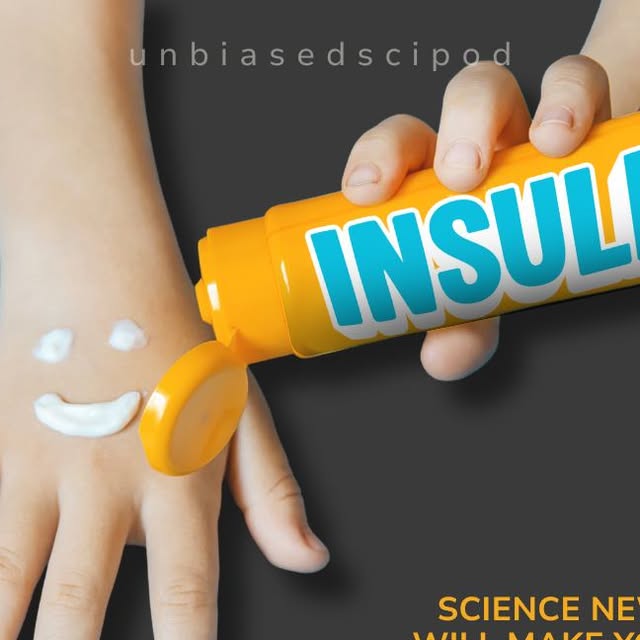
The Unbiased Science Podcast highlighted the needle-free insulin research I covered, in their Saturday Science Smiles series.
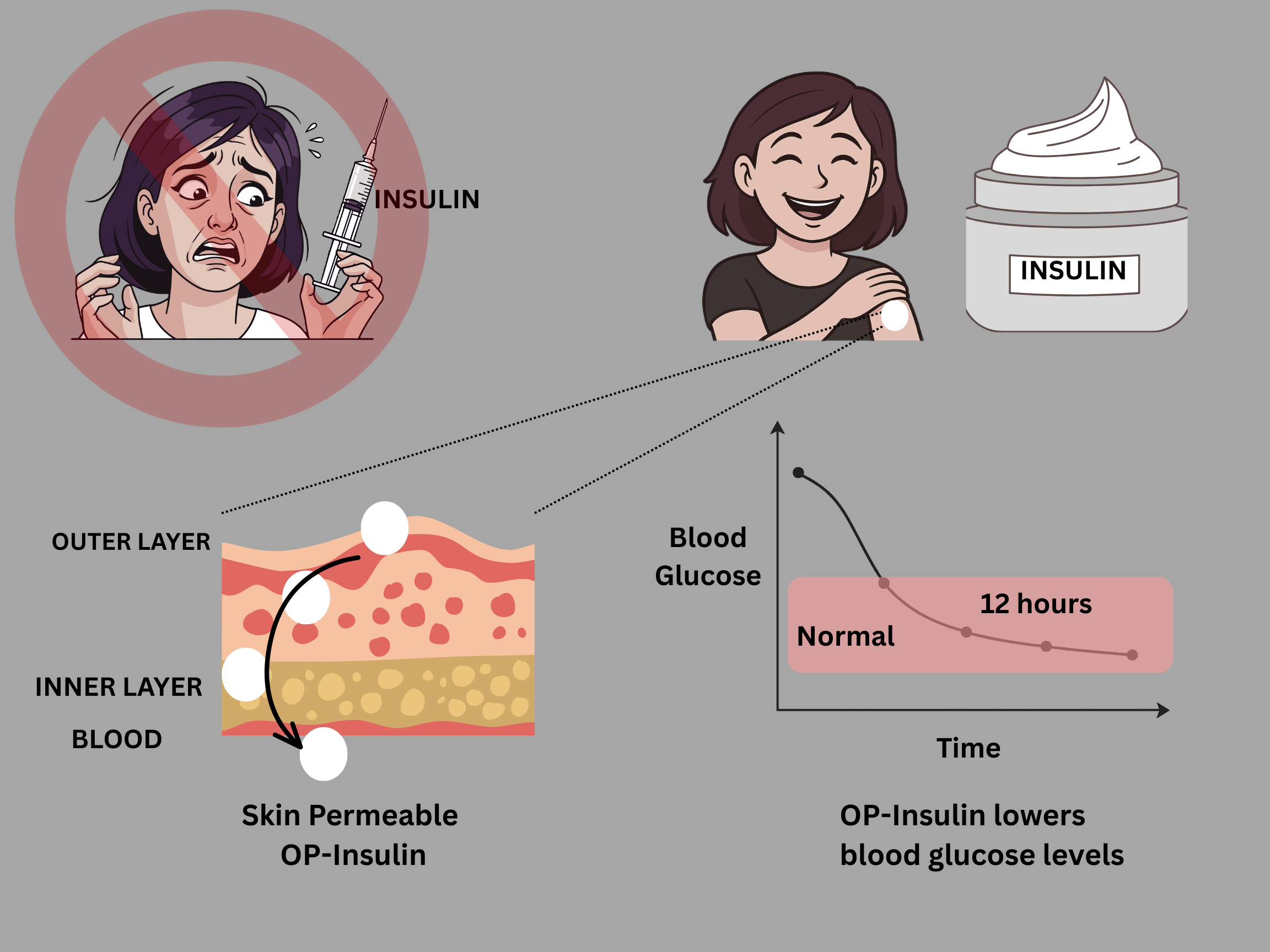
Early animal studies suggest a skin-permeable polymer could one day deliver insulin through a topical cream, reducing the need for daily injections.
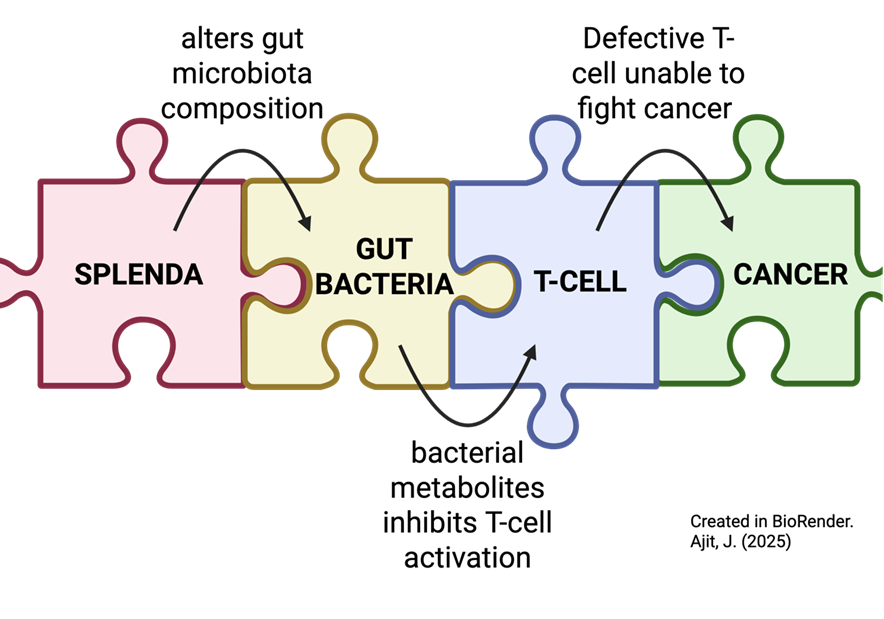
How the sweetener sucralose (Splenda) shifts gut bacteria in ways that weaken T-cells and blunt the benefits of cancer immunotherapy.
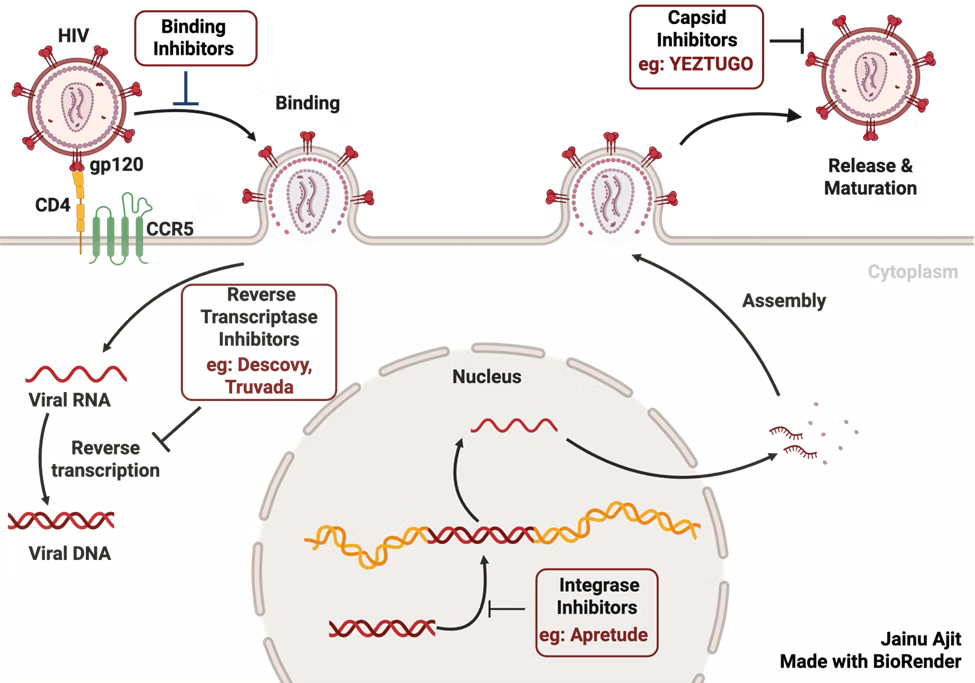
How Yeztugo, a twice-yearly injectable approved in 2025, works and how it compares to existing PrEP options for HIV prevention.
A VR study shows that simply seeing an infectious person approach can prime the immune system, mirroring the response to a real vaccine.
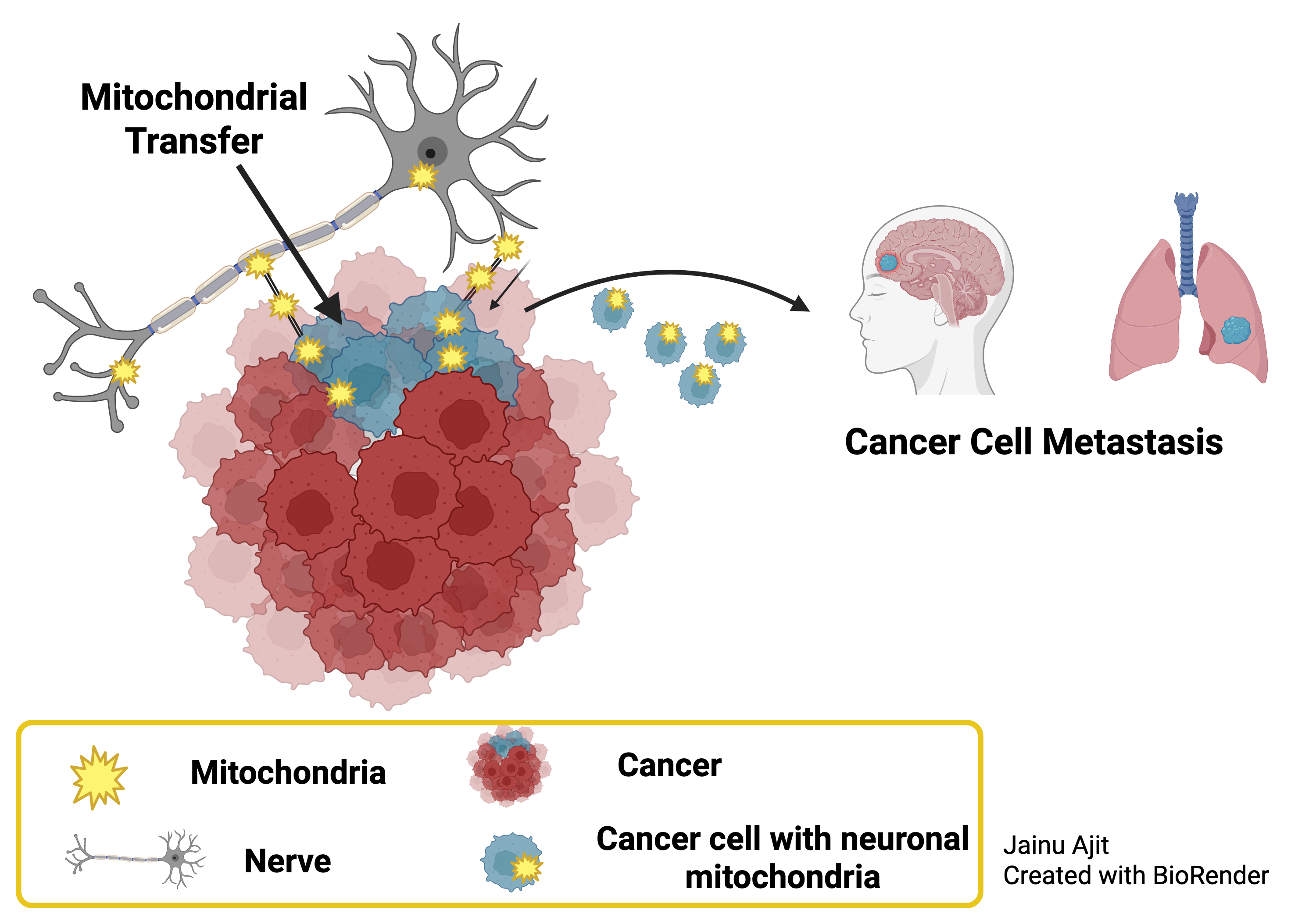
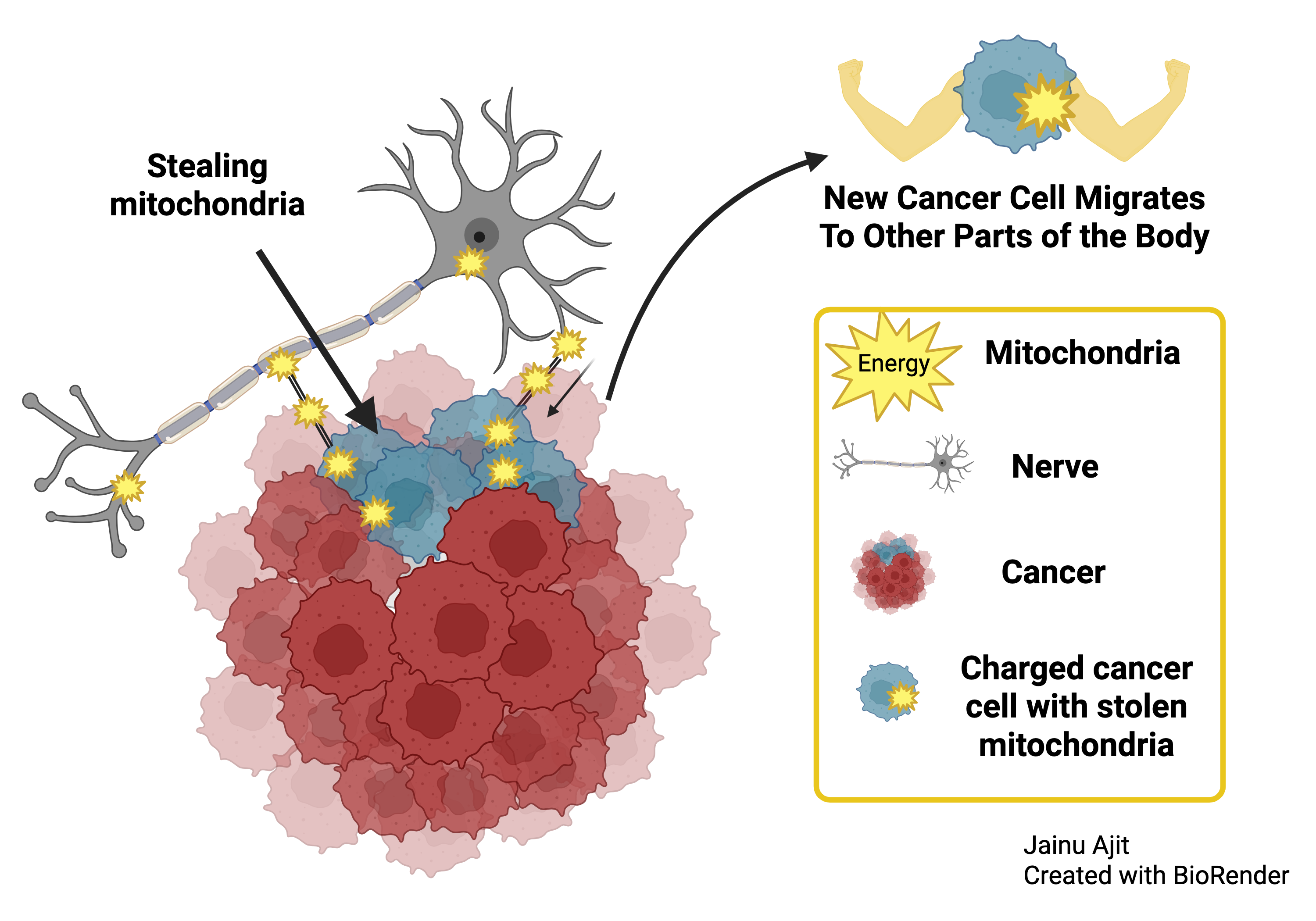
Tumor cells steal mitochondria from neurons to power their survival, growth, and spread to the brain and lungs. A breakdown of a 2025 Nature study.
A plain-language look at how cancer cells tap into nearby nerves and steal their mitochondria for an energy boost that fuels growth and spread.
Selected slides from my PhD thesis on extending trained immunity with slow-releasing β-glucan nanoparticles, and turning it against melanoma.
No pieces match those filters yet.
This site uses Google Analytics to understand traffic. Nothing loads until you choose. See the Privacy Policy.